Environmental Laboratory Solvent Recycling
Solvents used in environmental testing are often very expensive because they are “pesticide grade” meaning they are extremely pure. Typically the solvents are used to extract pesticides from plant or animal material so that the pesticide concentration can be determined. Other solvents are used to extract petroleum, oil and grease from water or soil. Probably the most common solvent recycled in the environmental testing lab is dichloromethane (methylene chloride). Many other solvents are also recycled including methanol, Freon, and acetonitrile.
Solvent Recycling is Easy!
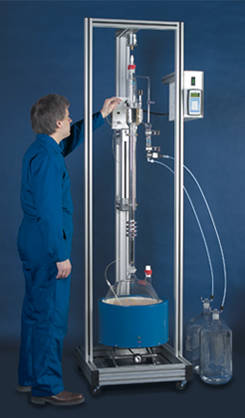
B/R solvent recyclers are fully automatic. A microprocessor controls the distillation process from beginning to end. Just start the solvent recycling program and the microprocessor does the rest. There is nothing to watch or monitor. The solvent recycler shuts down automatically when the solvent recycling process is complete.
Recycled Solvents are Pure!
The 9600 solvent recycling system has a highly efficient fractional distillation column that is capable of removing pesticides, oil and other contaminants from the solvent. Solvents can be recycled back to “pesticide grade” or chromatography grade as needed.
Solvent Recycling Saves Money!
Due to the expensive nature of these solvents, a solvent recycling program will pay for itself quickly. Savings are compounded when considering both the purchase and disposal costs of solvents.